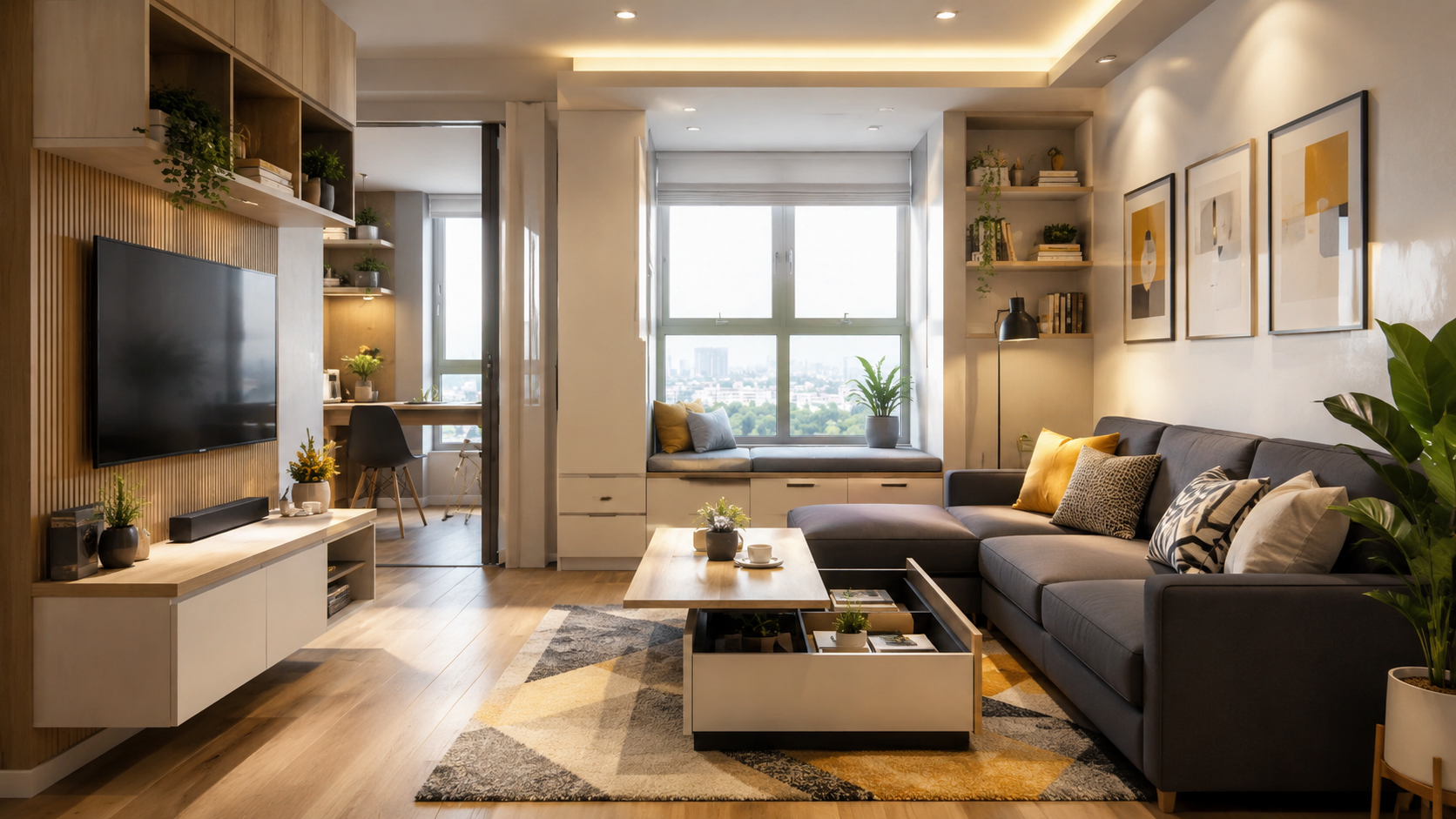
How to Choose the Right Furniture for a Small Living Room

How to Make a Small Room Look Bigger Without Major Renovation: Practical Design Ideas That Work

How to Make a Small Room Look Bigger Without Major Renovation: Practical Design Ideas That Work

Learn simple decorating and layout techniques that can visually expand a compact space, improve comfort, and create a brighter, more open room without expensive remodeling.

Quick Overview
• Use light colors and better lighting
• Reduce visual clutter and oversized furniture
• Add mirrors strategically
• Choose multifunctional pieces
• Create a consistent, open visual flow

Many homeowners and renters wonder how to make a small room look bigger without major renovation. The good news is that you do not need to knock down walls or spend a large budget to create a more spacious appearance. Small rooms often feel cramped because of visual clutter, poor furniture placement, limited light, and heavy color choices. By making thoughtful adjustments to design, storage, and decoration, you can create the illusion of a larger area while improving everyday functionality. Whether you are working with a bedroom, home office, living room, or studio apartment, these practical ideas can help transform a tight space into one that feels brighter, more comfortable, and surprisingly open.

Start With Light and Color

Choose Light Wall Shades

Soft neutrals, warm whites, pale gray tones, and gentle beige colors reflect more light than darker shades. This reflection helps walls appear farther apart and makes a room feel airy.

Keep Color Transitions Smooth

Strong contrasts can visually divide a room into smaller sections. Using similar tones for walls, trim, and large furniture pieces creates a more continuous appearance that encourages the eye to move naturally through the space.

Design Insight: Consistency often creates a larger visual impact than adding more decorative elements. A calm color palette can make a room feel more spacious immediately.

How to Make a Small Room Look Bigger With Smart Furniture Choices

Select Properly Sized Furniture

Many people assume tiny furniture is always best for small spaces. In reality, several carefully chosen pieces often work better than many small items. Too many furnishings can make a room feel crowded.

Use Furniture With Visible Legs

Sofas, chairs, and tables that expose more floor space underneath create a lighter appearance. The visible flooring helps the room seem larger because the eye can travel farther across the space.

Consider Multifunctional Pieces

Storage ottomans, beds with drawers, foldable desks, and nesting tables reduce clutter while maximizing usable space.

Make the Most of Natural and Artificial Lighting

Allow More Daylight

Natural light is one of the most effective ways to visually enlarge a room. Keep window coverings simple and avoid blocking sunlight with bulky furniture.

Layer Different Light Sources

Instead of relying on a single ceiling fixture, combine floor lamps, table lamps, and wall lighting. Even lighting reduces shadows that can make corners feel smaller.

Use Mirrors Thoughtfully

Mirrors reflect both light and surrounding views. Placing a mirror opposite a window can instantly brighten a room and create the impression of greater depth.

Improve Layout and Visual Flow

Room Element Space-Saving Choice Visual Benefit
Window Treatments Light curtains More natural light
Coffee Table Glass-top design Less visual weight
Storage Vertical shelving Uses wall height efficiently
Seating Furniture with legs More visible floor area
Decor Fewer larger accents Cleaner appearance
Lighting Multiple light sources Brighter, open atmosphere

Keep Walkways Clear

Furniture should support comfortable movement throughout the room. Tight pathways make a space feel smaller than it actually is.

Draw Attention Upward

Vertical artwork, tall bookshelves, and floor-to-ceiling curtains encourage the eye to move upward, emphasizing room height and creating a more expansive feeling.

Practical Steps to Create a More Spacious Look

Declutter First
Remove unnecessary items from visible surfaces and floors.
Evaluate Furniture Placement
Rearrange larger pieces to improve movement and openness.
Add Better Lighting
Increase brightness with layered lighting sources.
Introduce a Mirror
Position it to reflect light and expand visual depth.
Use Vertical Space
Install shelves or decorative elements higher on walls.
Limit Decorative Clutter
Choose fewer, meaningful accessories for a cleaner appearance.
Helpful Tip
If replacing furniture is not possible, try removing one nonessential piece from the room for a week. Many people discover the room feels noticeably larger and functions better with less furniture.

Common Mistakes to Avoid

  • Using heavy, dark curtains that block natural light.
  • Pushing every piece of furniture tightly against walls without considering flow.
  • Displaying too many decorative items on shelves and surfaces.
  • Choosing oversized furniture that dominates the room.
  • Ignoring vertical storage opportunities.
  • Relying on a single dim light fixture.

Quick Checklist

  • Use light and reflective colors.
  • Keep windows as open as possible.
  • Reduce visible clutter regularly.
  • Add mirrors to increase perceived depth.
  • Choose multifunctional furniture.
  • Use wall height efficiently.

Helpful Resource

For additional guidance on creating comfortable and functional living spaces, explore the home design resources from the University of Minnesota Extension:

University of Minnesota Extension

Frequently Asked Questions

Do mirrors always make a room look larger?

Mirrors are most effective when they reflect light, windows, or attractive parts of the room. Poor placement may provide little visual benefit.

What is the best color for a small room?

Light neutrals and soft shades generally create the most open feeling because they reflect light and reduce visual heaviness.

Can rugs make a small room feel bigger?

Yes. A properly sized rug that fits the room well can unify the space and create a more spacious appearance.

Is decluttering more important than decorating?

In many small rooms, reducing clutter produces a greater visual impact than adding new decorative items.

Conclusion

If you are looking for practical ways to understand how to make a small room look bigger without major renovation, focus on changes that improve light, reduce clutter, and enhance visual flow. Strategic furniture placement, lighter colors, mirrors, vertical storage, and thoughtful lighting can dramatically change how a room feels without requiring structural work. The goal is not simply to fit more into the space but to create a cleaner, brighter environment that feels comfortable and functional. By applying even a few of these ideas, you can transform a compact room into a space that appears larger, more inviting, and easier to enjoy every day.

Write a high-quality, fully original, SEO-friendly article in a complete, professionally designed HTML format. ARTICLE TITLE: [PASTE ONLY 10 Simple Ways to Improve the Layout of a Small Bedroom ] IMPORTANT: Use only the article title provided above. Do not ask for the website name, category, keyword, niche, target audience, or any other information. Automatically identify: * Main topic * Search intent * Primary keyword * Related keywords * Relevant subtopics * Suitable article structure Create the article directly from the provided title. ARTICLE CONTENT REQUIREMENTS: 1. Write approximately 1,000–1,200 words. 2. Keep every article completely original. Use fresh wording, different headings, unique examples, varied paragraph structures, and a new writing flow for each article. 3. Do not repeat the same introduction style, heading pattern, examples, tips, FAQ questions, table format, checklist structure, or conclusion from previous articles. 4. Write in simple, natural, beginner-friendly English. Make the content useful, informative, practical, and human-like. 5. Keep the article fully AdSense-friendly: * No copied or spun content * No keyword stuffing * No fake statistics * No misleading claims * No clickbait * No unnecessary promotion * No unsupported guarantees DESIGN REQUIREMENTS: 6. Generate a complete, ready-to-use HTML article with all CSS included inside a

10 Simple Ways to Improve the Layout of a Small Bedroom

A small bedroom can feel more comfortable, functional, and visually appealing with the right layout choices. These practical ideas help maximize every square foot without requiring expensive renovations.

Quick Overview:
Optimize furniture placement, reduce clutter, use vertical space, improve storage, and create better movement throughout the room for a more balanced bedroom layout.

Introduction

Creating a comfortable bedroom is not always about having more space. In many homes and apartments, bedrooms are compact, which makes smart design decisions especially important. If you are looking for simple ways to improve the layout of a small bedroom, the key is to focus on how the room functions every day. A thoughtful layout can make a bedroom feel larger, easier to use, and more relaxing. By rearranging furniture, improving storage, and making better use of available space, even a small bedroom can become practical and inviting. The following ideas are easy to apply and can help transform a crowded room into a more organized and enjoyable environment.

Why Bedroom Layout Matters

A good bedroom layout affects more than appearance. It influences how easily you move around the room, access storage, and create a restful atmosphere.

When furniture blocks pathways or storage areas become difficult to reach, a room can feel smaller than it actually is. Improving layout helps increase both comfort and functionality.

Focus on Daily Use

Think about how you use your bedroom each day. Consider where you walk, where you store essentials, and how often you access different areas. Small changes can significantly improve convenience.

10 Simple Ways to Improve the Layout of a Small Bedroom

1. Position the Bed Carefully

The bed is usually the largest piece of furniture in the room. Placing it against the most suitable wall often creates better balance and leaves more open floor space.

2. Keep Walking Paths Clear

Avoid blocking natural movement routes. Clear pathways help the room feel more open and easier to navigate.

3. Use Vertical Storage

Wall shelves, tall bookcases, and mounted organizers allow you to use height instead of taking up valuable floor space.

4. Choose Multifunctional Furniture

Furniture with built-in storage can reduce clutter while serving multiple purposes.

5. Limit Unnecessary Pieces

Removing one or two nonessential items can immediately make a small room feel larger.

6. Use Under-Bed Storage

Storage containers or built-in drawers help maximize otherwise unused space.

7. Create Visual Balance

Distribute furniture evenly instead of placing everything on one side of the room.

8. Keep Surfaces Organized

Nightstands, dressers, and desks look cleaner and create a calmer atmosphere when kept tidy.

9. Add Mirrors Strategically

Mirrors reflect light and can visually expand a compact bedroom.

10. Use Light Colors

Soft color schemes help a room feel brighter and more spacious.

Step-by-Step Bedroom Layout Improvement Plan

Step 1: Remove items you no longer use or need.
Step 2: Measure the room and major furniture pieces.
Step 3: Reposition the bed for better traffic flow.
Step 4: Add vertical storage solutions.
Step 5: Organize visible surfaces and storage areas.
Step 6: Evaluate lighting and make adjustments if needed.

Space-Saving Furniture Comparison

Furniture Type Space Benefit Best Use
Storage Bed Hidden storage Clothing and bedding
Wall Shelf Saves floor space Books and décor
Foldable Desk Flexible workspace Small bedrooms
Storage Ottoman Dual purpose Seating and storage
Tall Dresser Uses vertical space Clothing organization
Helpful Tip: Before buying new furniture, try rearranging your existing pieces. Many small bedrooms feel dramatically different simply by improving furniture placement and reducing clutter.

Common Mistakes to Avoid

  • Choosing furniture that is too large for the room.
  • Blocking windows with bulky furniture.
  • Ignoring vertical storage opportunities.
  • Keeping too many decorative items on display.
  • Creating narrow or obstructed walkways.
  • Using every available corner for furniture placement.

Small Bedroom Layout Checklist

  • Keep pathways open and easy to use.
  • Use storage under the bed.
  • Install shelves where appropriate.
  • Reduce visible clutter.
  • Use furniture with multiple functions.
  • Let natural light enter the room.
  • Maintain an organized layout.

Helpful Resource

Helpful Resource: University of Minnesota Extension

This educational resource provides useful information about home organization, living spaces, and practical household management.

Frequently Asked Questions

What is the best bed position in a small bedroom?

The best position depends on room shape, but placing the bed where it allows comfortable movement around the room is usually ideal.

How can I create more storage without adding furniture?

Use wall-mounted shelves, hooks, organizers, and under-bed storage solutions to maximize available space.

Do mirrors help improve a small bedroom layout?

Yes. Mirrors can reflect light and create the illusion of additional space, making the room feel more open.

Should every wall have furniture against it?

No. Leaving some open wall space can help a bedroom feel less crowded and more balanced.

Conclusion

Improving a bedroom does not always require major renovations or expensive upgrades. These 10 simple ways to improve the layout of a small bedroom focus on making better use of the space you already have. By choosing practical furniture, creating clear pathways, maximizing storage, and reducing clutter, you can transform a compact bedroom into a more comfortable and efficient living area. Small adjustments often produce surprisingly noticeable results. Start with one or two changes, evaluate how the room functions, and continue refining the layout until it supports both your daily needs and your personal comfort.

Write a high-quality, fully original, SEO-friendly article in a complete, professionally designed HTML format. ARTICLE TITLE: [How to Choose the Right Furniture for a Small Living Room ] IMPORTANT: Use only the article title provided above. Do not ask for the website name, category, keyword, niche, target audience, or any other information. Automatically identify: * Main topic * Search intent * Primary keyword * Related keywords * Relevant subtopics * Suitable article structure Create the article directly from the provided title. ARTICLE CONTENT REQUIREMENTS: 1. Write approximately 1,000–1,200 words. 2. Keep every article completely original. Use fresh wording, different headings, unique examples, varied paragraph structures, and a new writing flow for each article. 3. Do not repeat the same introduction style, heading pattern, examples, tips, FAQ questions, table format, checklist structure, or conclusion from previous articles. 4. Write in simple, natural, beginner-friendly English. Make the content useful, informative, practical, and human-like. 5. Keep the article fully AdSense-friendly: * No copied or spun content * No keyword stuffing * No fake statistics * No misleading claims * No clickbait * No unnecessary promotion * No unsupported guarantees DESIGN REQUIREMENTS: 6. Generate a complete, ready-to-use HTML article with all CSS included inside a

How to Choose the Right Furniture for a Small Living Room

Selecting furniture for a compact living room requires more than simply buying smaller pieces. The right choices can improve comfort, functionality, storage, and visual balance while making the room feel more spacious and welcoming.

Quick Overview:
Choose properly scaled furniture, prioritize multifunctional pieces, maintain open pathways, use smart storage solutions, and create a balanced layout that maximizes available space.

Introduction

A small living room presents unique decorating challenges, especially when you want the space to feel comfortable without becoming crowded. Understanding how to choose the right furniture for a small living room can make a significant difference in both appearance and functionality. The goal is not to fill every corner but to select pieces that support daily activities while maintaining an open and organized environment. Thoughtful furniture choices can improve traffic flow, provide useful storage, and create a room that feels larger than its actual size. Whether you are furnishing a new apartment or updating an existing space, careful planning can help you make the most of every square foot.

Understand Your Living Room Before Buying Furniture

Measure the Space Carefully

Before purchasing any furniture, measure the room dimensions, window locations, door openings, and walkways. Knowing the available space helps prevent buying items that are too large or awkwardly sized.

Identify Your Main Needs

Some households need extra seating, while others require storage or a work area. Understanding your priorities helps narrow furniture choices and prevents unnecessary purchases.

Planning Tip: Create a simple floor sketch before shopping. Even a rough layout can help visualize how furniture will fit and interact within the room.

How to Choose the Right Furniture for a Small Living Room Without Overcrowding

Focus on Scale and Proportion

One of the most common mistakes is choosing furniture based only on appearance. A large sectional sofa may look attractive in a showroom but overwhelm a compact living room. Instead, look for pieces that fit the room's proportions while still providing comfort.

Leave Space Around Furniture

Allowing some visible floor area around furniture creates a more open appearance. When every piece touches another item or fills every corner, the room often feels smaller and more cluttered.

Choose Furniture With Visible Legs

Sofas, chairs, and tables with exposed legs create visual openness because more floor space remains visible underneath them.

Prioritize Multifunctional Furniture

Look for Built-In Storage

Storage ottomans, coffee tables with hidden compartments, and benches with internal storage help reduce clutter while serving multiple purposes.

Consider Flexible Pieces

Nesting tables, foldable side tables, and modular seating options provide flexibility without permanently occupying valuable floor space.

Think Long-Term

Furniture that performs multiple functions often remains useful even if your living arrangements change in the future.

Multifunctional furniture is especially valuable in apartments, studio spaces, and homes where every square foot matters.

Create Better Visual Flow

Keep Walkways Open

Arrange furniture so people can move comfortably through the room. Clear pathways make the space feel more organized and less cramped.

Use Light Visual Weight

Glass tables, open shelving, and streamlined furniture designs create a lighter appearance compared to bulky or heavily detailed pieces.

Maintain Balance

Distribute furniture evenly throughout the room. Avoid placing all large items on one side, which can make the layout feel unbalanced.

Furniture Comparison Guide

Furniture Type Best Feature Ideal Use Space Benefit
Loveseat Compact seating Small households Saves floor space
Storage Ottoman Hidden storage Living room essentials Reduces clutter
Nesting Tables Flexible arrangement Entertaining guests Expandable when needed
Wall Shelves Vertical storage Books and décor Preserves floor area
Glass Coffee Table Light appearance Modern layouts Improves openness
Storage Bench Dual functionality Entry-adjacent seating Additional storage

Step-by-Step Furniture Selection Process

Step 1: Measure the room and note key dimensions.
Step 2: Identify the room's primary functions.
Step 3: Select the largest furniture piece first.
Step 4: Add storage-focused furniture where needed.
Step 5: Leave sufficient walking space between items.
Step 6: Review the layout before making final purchases.
Helpful Tip: Instead of buying several small storage units, consider one larger multifunctional piece. This often reduces visual clutter and creates a cleaner, more organized living room layout.

Common Mistakes to Avoid

  • Buying furniture without measuring the room first.
  • Choosing oversized sofas for limited spaces.
  • Blocking windows with large furniture pieces.
  • Ignoring storage needs during furniture selection.
  • Using too many decorative tables or chairs.
  • Creating narrow walkways that restrict movement.

Quick Furniture Selection Checklist

  • Measure room dimensions before shopping.
  • Choose furniture proportional to the room.
  • Prioritize multifunctional pieces.
  • Leave open walking paths.
  • Use vertical storage where possible.
  • Avoid unnecessary furniture items.
  • Maintain visual balance throughout the room.

Helpful Resource

Helpful Resource: University of Minnesota Extension

This educational resource offers practical information about home organization, living spaces, storage strategies, and household management concepts that can help improve room functionality.

Frequently Asked Questions

Should I choose a sofa or sectional for a small living room?

A compact sofa or loveseat is often easier to arrange in small spaces, although some carefully sized sectionals can work depending on room dimensions.

What furniture color works best in a small living room?

Lighter shades often create a brighter appearance, but color should also complement the overall design and lighting conditions.

How much space should be left for walkways?

Comfortable movement is important. Leave enough space for people to walk naturally without squeezing between furniture pieces.

Are glass tables suitable for small rooms?

Yes. Glass surfaces can create a lighter visual effect because they allow light to pass through and reduce visual heaviness.

Conclusion

Learning how to choose the right furniture for a small living room involves balancing comfort, functionality, and available space. The best furniture choices are those that support your daily needs while maintaining openness and easy movement throughout the room. By selecting appropriately sized pieces, incorporating multifunctional furniture, improving storage, and creating a thoughtful layout, you can make a compact living room feel both practical and inviting. Small spaces can be highly functional when every furniture choice serves a clear purpose and contributes to a comfortable living environment.

Leave a Comment