Apartment Living Guide
A small apartment does not need a large budget to feel comfortable, organized, and attractive. With thoughtful planning, smart furniture choices, and efficient use of available space, you can create a practical home that supports your daily lifestyle without overspending.
Quick Overview
- ✓ Prioritize functionality first
- ✓ Choose multi-purpose furniture
- ✓ Use vertical storage solutions
- ✓ Focus on affordable upgrades
- ✓ Keep layouts open and flexible
Introduction
Designing a comfortable apartment on a limited budget can seem challenging, especially when space is already restricted. However, successful small-space design is often more about planning than spending. Understanding how to design a functional small apartment on a simple budget involves choosing practical furniture, maximizing storage, and creating layouts that support everyday activities. Instead of filling rooms with unnecessary items, focus on pieces that provide value and flexibility. Even inexpensive improvements can make a noticeable difference when they are selected carefully and used effectively.
Start With Function Before Decoration
Identify Daily Needs
Think about how you use each area of the apartment. Your layout should support activities such as working, dining, relaxing, and sleeping.
Remove Unnecessary Items
Reducing clutter creates more usable space and often eliminates the need for additional furniture.
Create Defined Zones
Even in a studio apartment, rugs, shelves, and furniture placement can help separate different functions.
Affordable Design Choices That Make a Big Difference
Choose Multi-Purpose Furniture
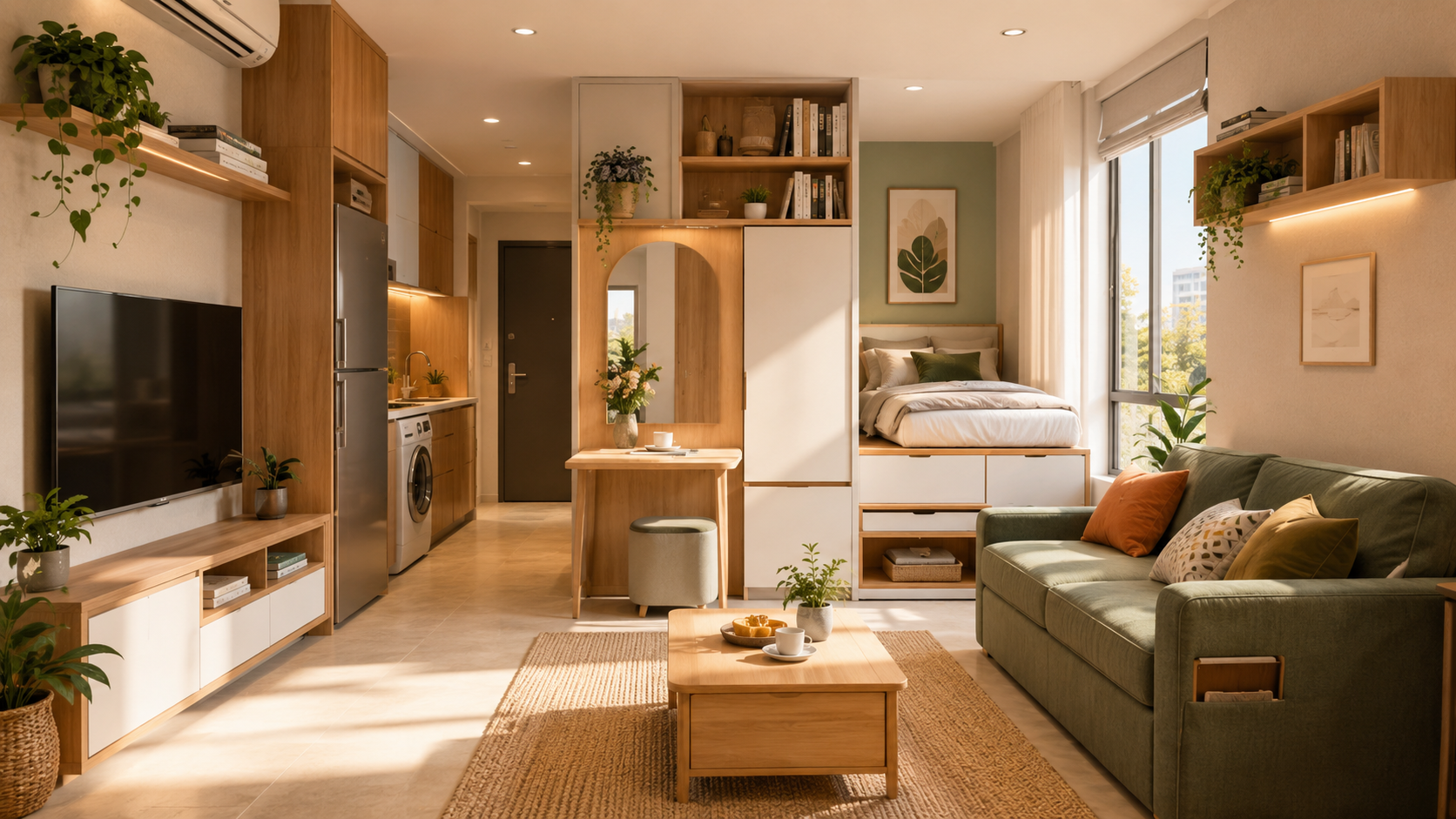
Furniture that serves multiple purposes can significantly reduce costs and save valuable space. Examples include storage ottomans, sofa beds, nesting tables, and beds with built-in drawers.
Use Vertical Space
Wall-mounted shelves, hooks, and tall storage units provide additional storage without occupying floor space.
Improve Lighting
Good lighting helps apartments feel larger and more welcoming. Use natural light whenever possible and add affordable floor or table lamps where needed.
Budget-Friendly Apartment Upgrades
| Upgrade | Purpose | Estimated Cost Level | Impact |
|---|---|---|---|
| Wall Shelves | Extra Storage | Low | High |
| Storage Ottoman | Seating + Storage | Medium | High |
| Area Rug | Define Spaces | Low | Medium |
| Mirror | Create Openness | Low | High |
| Floor Lamp | Improve Lighting | Low | Medium |
| Under-Bed Storage | Hidden Organization | Low | High |
Simple Step-by-Step Apartment Design Plan
When shopping on a budget, look for furniture that solves more than one problem. A storage bench, foldable dining table, or sleeper sofa often delivers better value than buying multiple separate pieces.
Common Mistakes to Avoid
- Buying furniture before measuring the room.
- Choosing oversized pieces for small spaces.
- Ignoring vertical storage opportunities.
- Using too many decorative items.
- Blocking natural light sources.
- Purchasing low-quality items that need frequent replacement.
Quick Apartment Design Checklist
Helpful Resource
Helpful Resource: University of Minnesota Extension
This educational resource provides practical guidance on home organization, budgeting, and making better use of available living space.
Frequently Asked Questions
Can a small apartment feel spacious on a limited budget?
Yes. Smart furniture choices, efficient storage, and thoughtful layouts often have a greater impact than expensive renovations.
What type of furniture works best in small apartments?
Multi-functional furniture that combines storage and usability is typically the most effective option.
How can I make my apartment look larger?
Use light colors, mirrors, proper lighting, and avoid overcrowding rooms with furniture.
Should I decorate before organizing?
It is generally better to establish storage and functionality first, then add decorative elements afterward.