s
A compact kitchen can still feel efficient and organized without expensive renovations. By making smarter use of existing space, improving storage habits, and reducing clutter, you can create a kitchen that functions better every day.
Smart Organization
Low Cost
Small Kitchens
Maximize Existing Space
Introduction
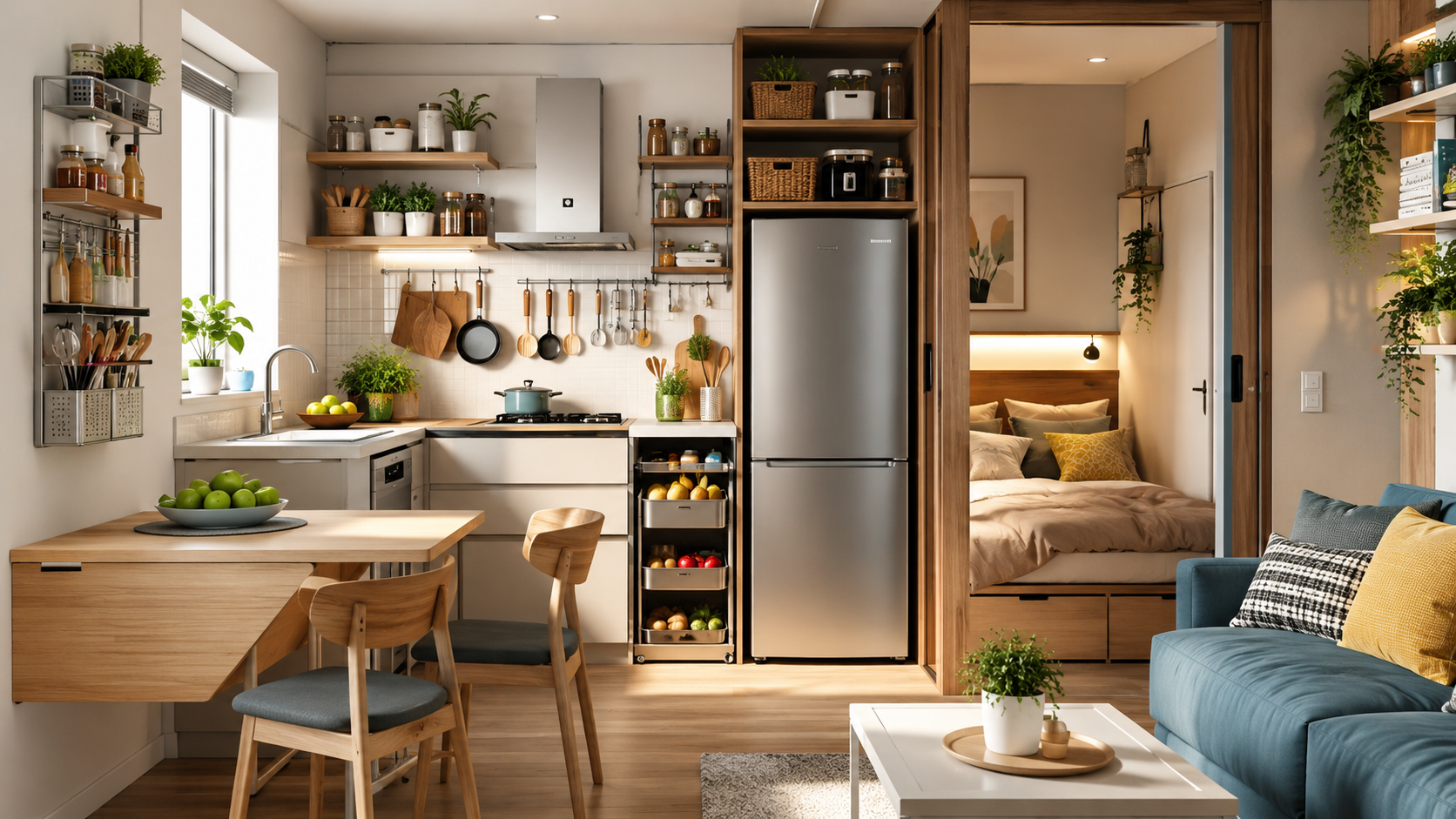
Many homeowners believe that solving kitchen storage problems requires installing more cabinets. In reality, better organization often produces impressive results without major remodeling. Learning how to organize a small kitchen without adding extra cabinets involves using existing storage more efficiently, reducing unnecessary items, and creating designated spaces for daily essentials. A thoughtfully organized kitchen can feel larger, function more smoothly, and make cooking less stressful. Even the smallest kitchens usually contain untapped storage opportunities that can be transformed into practical solutions with a few strategic adjustments.
Maximize Existing Storage Areas
Use Shelf Risers
Double usable cabinet space by creating multiple levels for dishes, cups, and pantry items.
Add Drawer Organizers
Separate utensils, tools, and accessories to eliminate wasted drawer space.
Utilize Cabinet Doors
Install hooks or slim organizers on the inside of cabinet doors for small items.
Use Vertical Space More Effectively
Install Open Shelving
A few wall shelves can store frequently used items while keeping countertops clear and accessible.
Hang Kitchen Tools
Utensils, mugs, and lightweight cookware can be stored on wall-mounted rails or hooks.
Take Advantage of Empty Wall Areas
Unused wall space often provides valuable storage opportunities without making the room feel crowded.
Keep Countertops Functional
Countertops often become storage zones for items that belong elsewhere. Keeping only frequently used essentials on display creates a cleaner appearance and increases workspace.
Group similar items together and store occasional-use appliances inside cabinets or dedicated storage areas whenever possible.
Organization Solutions Comparison
| Solution | Best Use | Cost Level | Space Savings |
|---|---|---|---|
| Shelf Risers | Cabinets | Low | High |
| Drawer Dividers | Utensils | Low | Medium |
| Wall Shelves | Daily Essentials | Medium | High |
| Door Organizers | Small Items | Low | Medium |
| Hooks & Rails | Kitchen Tools | Low | High |
| Storage Baskets | Pantry Items | Low | Medium |
Step-by-Step Kitchen Organization Plan
Store everyday items between waist and eye level for convenience. Reserve higher shelves and less accessible areas for seasonal or rarely used kitchen supplies.
Common Mistakes to Avoid
- Keeping duplicate kitchen tools that serve the same purpose.
- Allowing countertops to become permanent storage areas.
- Ignoring vertical storage opportunities.
- Buying organizers before decluttering.
- Overcrowding shelves and cabinets.
- Failing to create designated storage zones.
Quick Kitchen Organization Checklist
Helpful Resource
Helpful Resource: Iowa State University Extension and Outreach
This educational resource provides practical information on home management, organization, and efficient household living strategies.
Frequently Asked Questions
Can a small kitchen be organized without remodeling?
Yes. Many organization improvements can be achieved using existing storage more effectively and reducing clutter.
What is the biggest cause of kitchen clutter?
Keeping unnecessary items, duplicate tools, and rarely used appliances often contributes to overcrowding.
Are open shelves suitable for small kitchens?
Yes. Open shelves can provide accessible storage while keeping the room visually lighter than bulky cabinets.
How often should I reorganize my kitchen?
A quick review every few months helps maintain organization and prevents clutter from building up again.