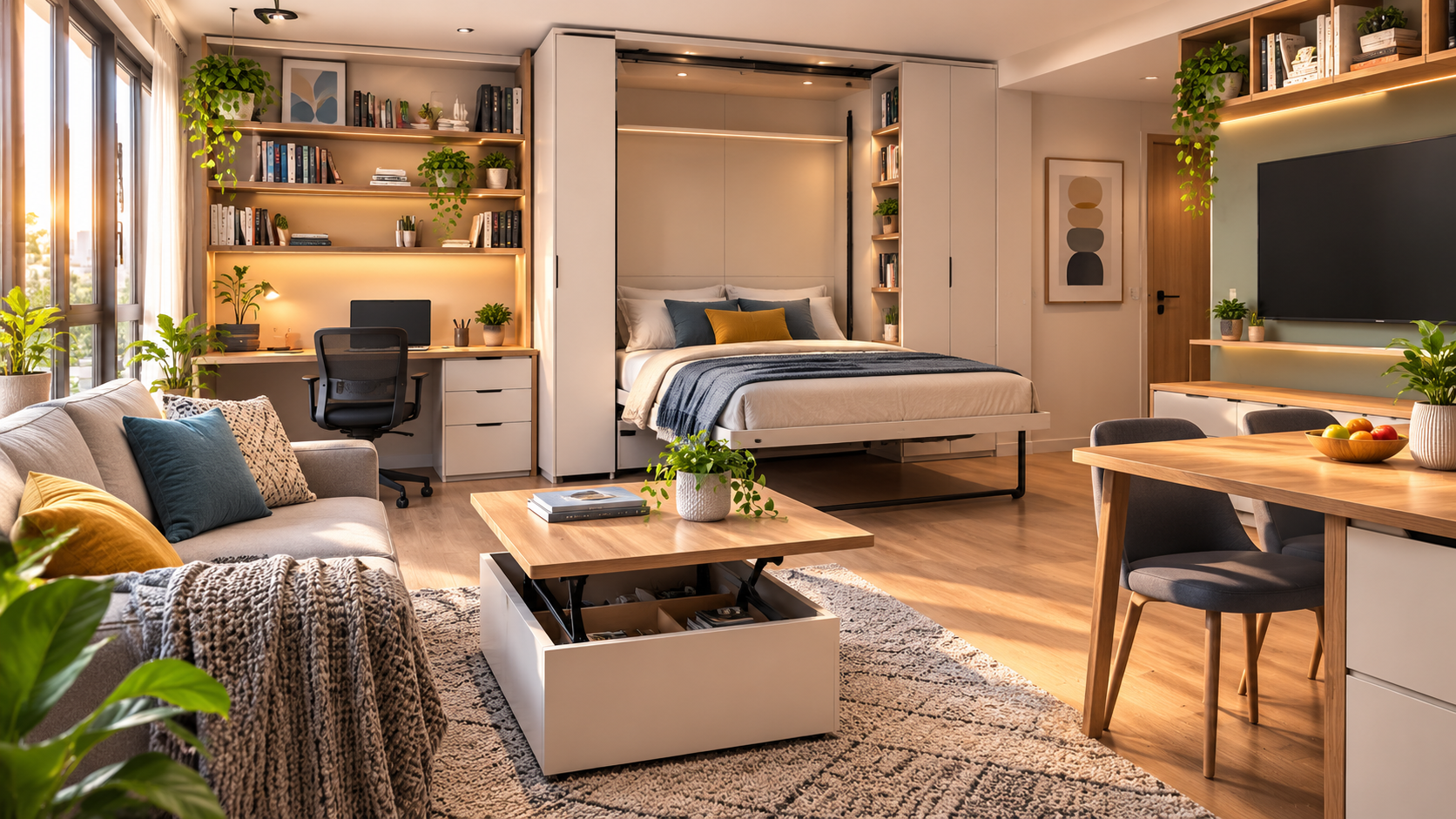
Define room functions, create activity zones, choose versatile furniture, improve storage, maintain comfort, and keep the space organized for everyday use.
Introduction
Living in a smaller home often means every room must work harder. Instead of dedicating separate rooms for work, entertainment, guests, and hobbies, many homeowners need one area to serve several purposes. Learning how to create a comfortable multi-purpose room in a small home can help you make better use of available space while maintaining a welcoming and organized environment. The key is balancing functionality with comfort so that the room supports multiple activities without becoming cluttered or overwhelming. By choosing the right layout, furniture, and storage solutions, you can transform a single room into a flexible space that adapts to changing daily needs.
Start by Identifying the Room’s Main Functions
List Daily Activities
Before rearranging furniture or purchasing new items, identify exactly how the room will be used. Some households may need a combination of living room, home office, and guest space, while others may prioritize storage and entertainment.
Rank Priorities
Not all functions require equal attention. Determining the room’s primary purpose helps guide furniture selection and layout decisions.
How to Create a Comfortable Multi-Purpose Room in a Small Home With Functional Zones
Create Distinct Areas
Dividing the room into simple zones helps maintain organization. A reading corner, work area, and relaxation space can coexist even in a compact room when each section has a clear purpose.
Use Furniture as Dividers
Bookshelves, storage units, or sofas can help separate activities without requiring permanent walls.
Maintain Visual Consistency
Using a coordinated color palette and complementary furnishings keeps the room feeling unified despite serving multiple functions.
Choose Flexible and Space-Saving Furniture
Invest in Multifunctional Pieces
Furniture that serves more than one purpose is especially valuable in small homes. Sofa beds, storage benches, foldable desks, and nesting tables can increase functionality without taking up additional space.
Look for Hidden Storage
Storage integrated into furniture helps reduce clutter and keeps frequently used items accessible.
Prioritize Mobility
Lightweight or movable furniture makes it easier to adapt the room for different activities throughout the day.
Improve Comfort Without Sacrificing Space
Use Appropriate Lighting
Different activities require different lighting levels. Combining ambient, task, and accent lighting creates flexibility while maintaining comfort.
Add Soft Furnishings
Rugs, cushions, and curtains help make a multi-purpose room feel inviting while also reducing noise and improving visual warmth.
Keep Pathways Clear
Comfort is not only about appearance. Easy movement throughout the room contributes significantly to daily usability.
Furniture and Function Comparison
| Furniture Item | Primary Function | Secondary Function | Space Benefit |
|---|---|---|---|
| Sofa Bed | Seating | Guest sleeping area | Dual-purpose use |
| Storage Ottoman | Footrest | Storage | Reduces clutter |
| Foldable Desk | Workspace | Compact storage | Saves floor space |
| Bookshelf Divider | Storage | Room separation | Creates zones |
| Nesting Tables | Surface area | Flexible arrangement | Expandable use |
| Storage Bench | Seating | Organization | Maximizes utility |
Step-by-Step Room Planning Guide
Common Mistakes to Avoid
- Trying to fit too many functions into one room.
- Buying large furniture without measuring the space.
- Ignoring storage requirements.
- Creating zones without clear boundaries.
- Blocking natural light sources.
- Allowing clutter to accumulate between activities.
Quick Multi-Purpose Room Checklist
- ✓ Define the room’s primary and secondary functions.
- ✓ Create clear activity zones.
- ✓ Choose multifunctional furniture.
- ✓ Add practical storage solutions.
- ✓ Maintain comfortable lighting.
- ✓ Keep pathways clear.
- ✓ Regularly remove unnecessary clutter.
Helpful Resource
Helpful Resource: University of Minnesota Extension
This educational resource offers useful guidance on home organization, space management, and practical household planning strategies.
Frequently Asked Questions
What is a multi-purpose room?
A multi-purpose room is a space designed to support more than one activity, such as working, relaxing, entertaining guests, or storage.
How many functions should a small room have?
Most small spaces work best when supporting two or three primary functions rather than too many competing uses.
Can a home office and guest room share the same space?
Yes. Many people successfully combine these functions using foldable desks, sofa beds, or other multifunctional furniture.
How do I keep a multi-purpose room organized?
Consistent storage systems, designated zones, and regular decluttering help maintain organization and functionality.